Page Not Found
Page not found. Your pixels are in another canvas.

A list of all the posts and pages found on the site. For you robots out there is an XML version available for digesting as well.
Page not found. Your pixels are in another canvas.
Assistant Professor at Ramaiah Institute of Technology, Bengaluru, working on vision–language models and scalable AI systems, with a current focus on the theory of controllable image generation.
International Journal on Semantic Web and Information Systems (IJSWIS), 2019
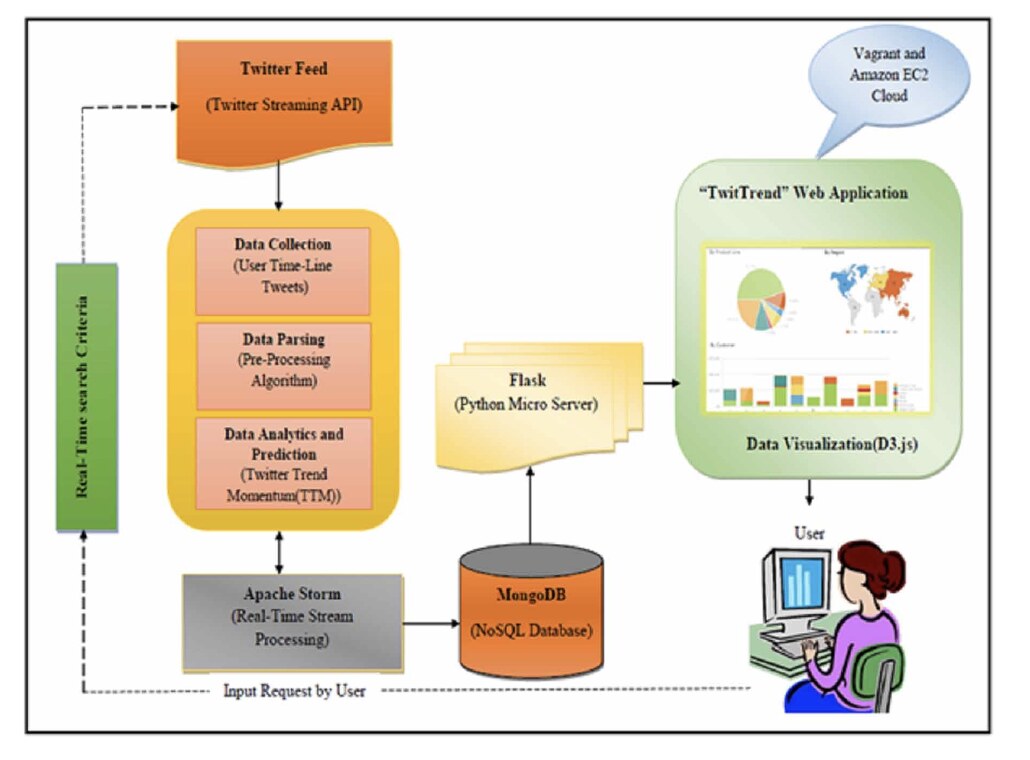
A real-time Twitter trend analysis framework that combines streaming data processing with semantic analysis and interactive visualization to identify emerging trends and track their momentum.
Journal of Information & Knowledge Management, 2019
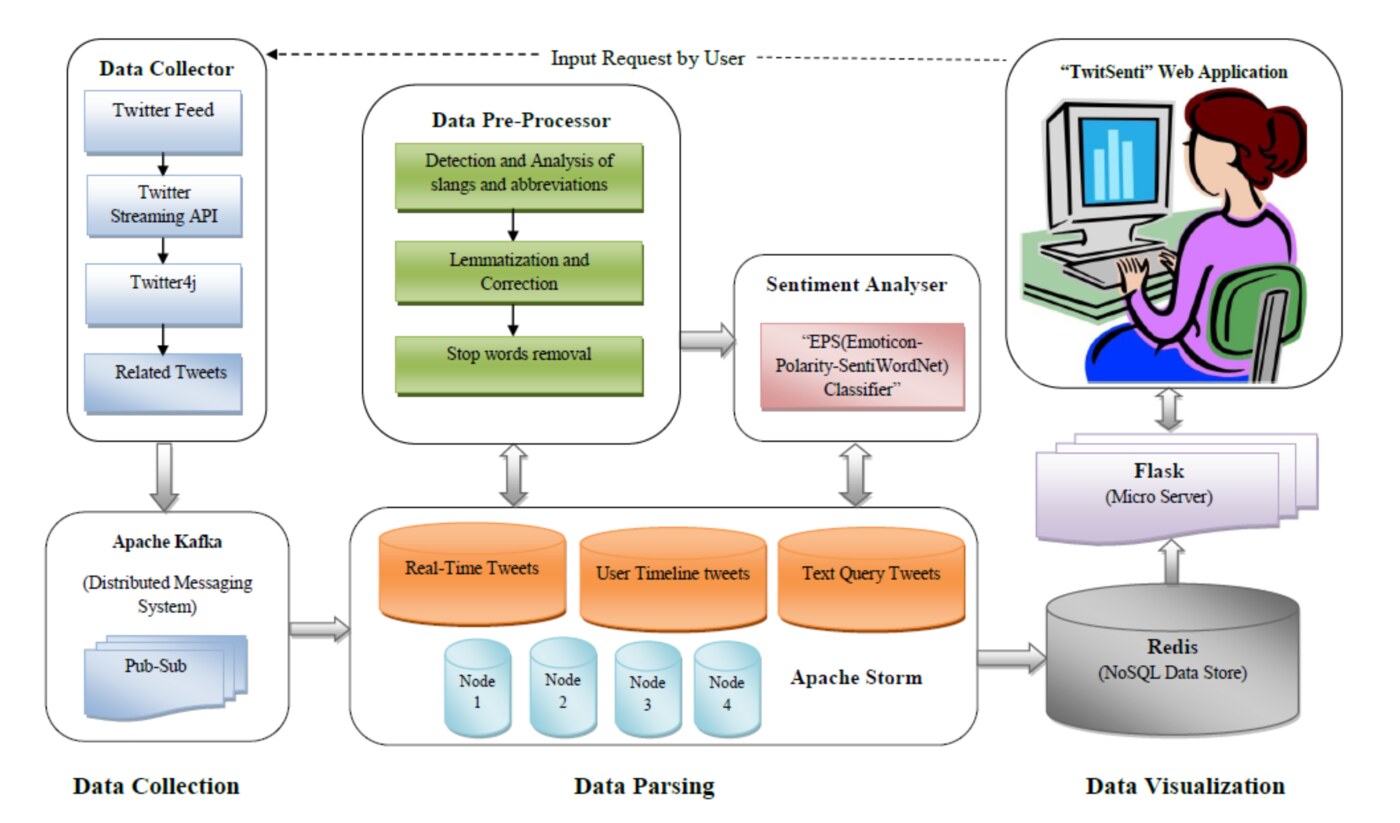
Real-time sentiment modeling over streaming social media, integrating NLP pipelines with scalable distributed systems (Apache Storm, Redis) for low-latency inference and interactive visualization.
Wireless Communications and Mobile Computing (Wiley), 2022
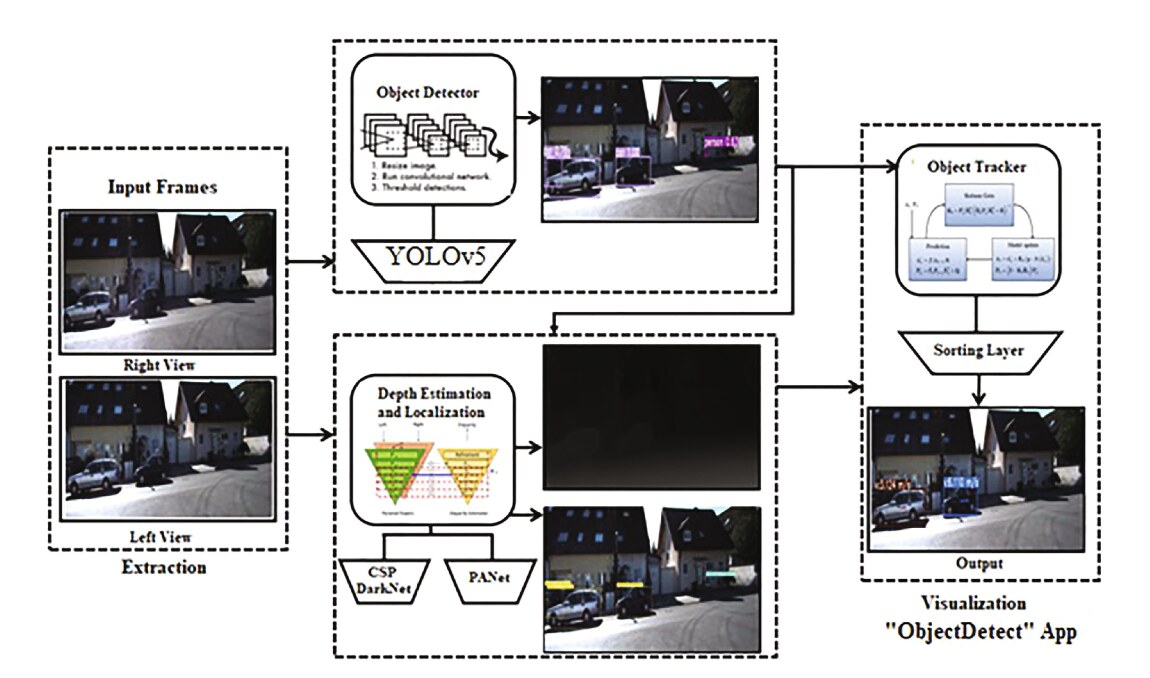
A real-time object detection framework for Advanced Driver Assistance Systems that combines vision and LiDAR-based perception with YOLOv5, reaching about 95% accuracy while running markedly faster than YOLOv3 and YOLOv4.
The Visual Computer (Springer), 2024
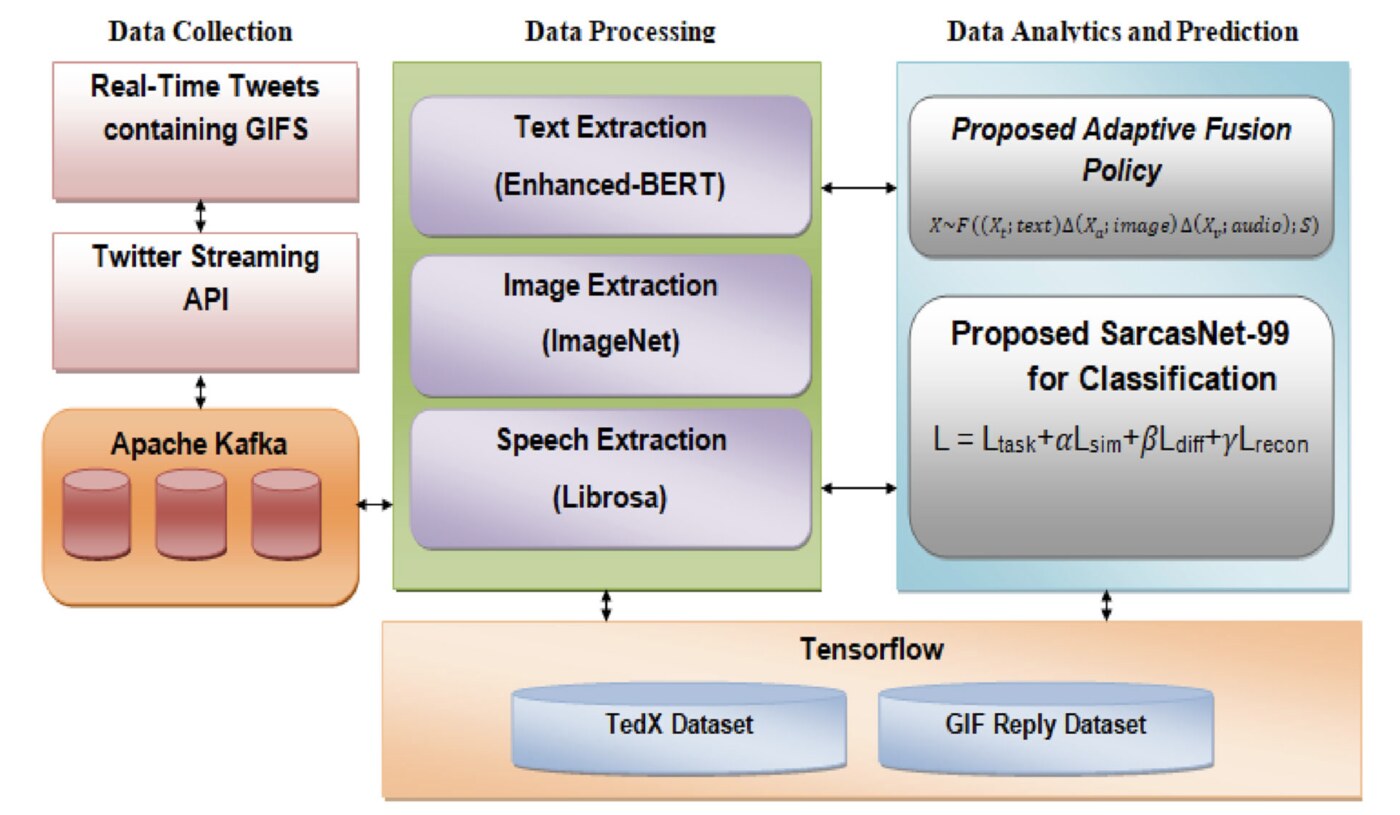
A multimodal sarcasm detection framework integrating text (Enhanced-BERT), image, and audio features. A novel adaptive fusion strategy combined with SarcasNet-99 achieves 97.3% accuracy on large-scale video datasets.
Multimedia Tools and Applications (Springer), 2025
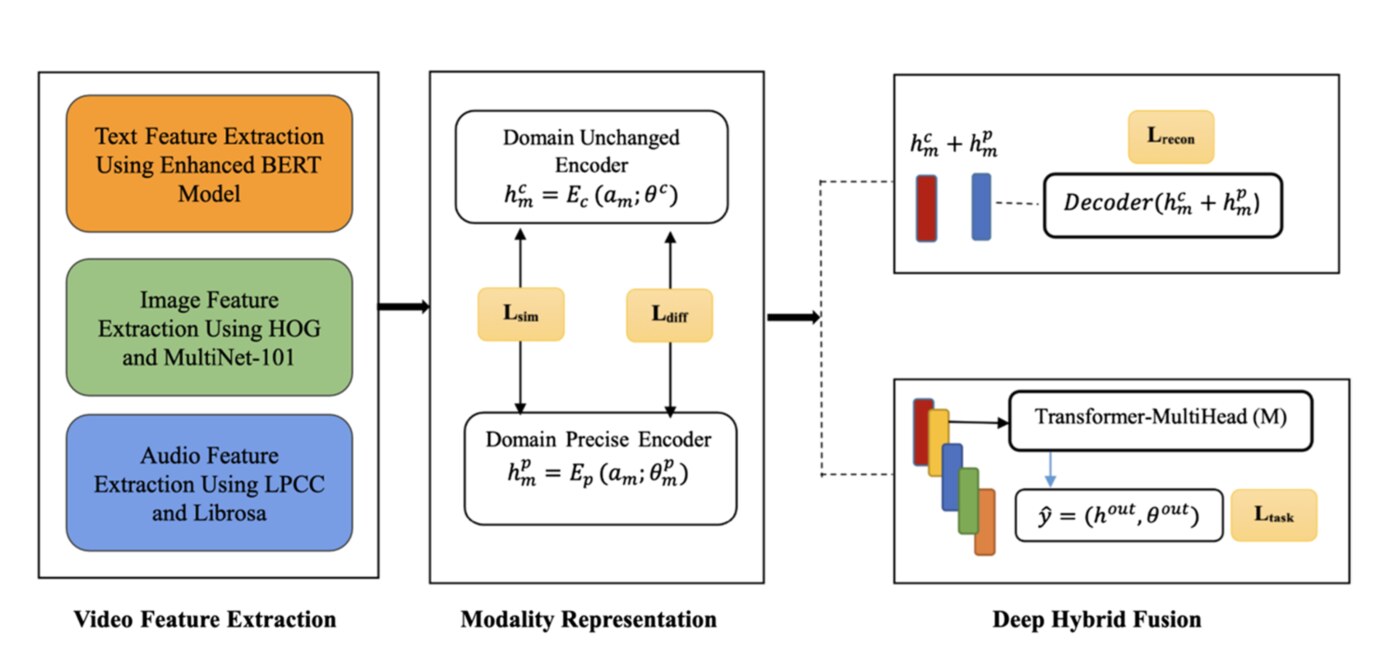
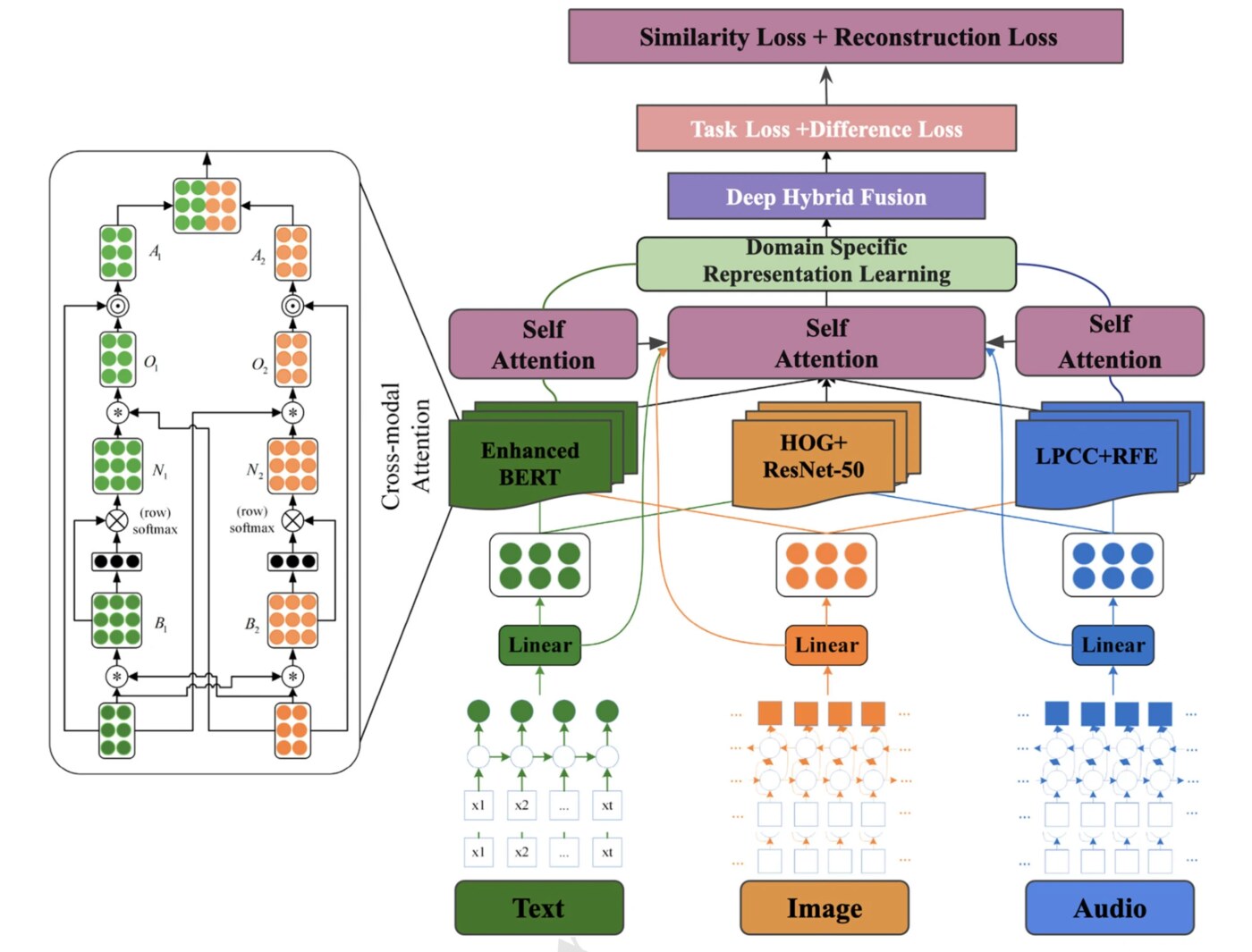
A Deep Hybrid Fusion (DHF) algorithm for multimodal video analytics that integrates text, image, and audio features, using BiLSTM-based modality representations and attention-based fusion to reach 95.84% accuracy on benchmark datasets for humor detection and multimodal understanding.
IEEE AVSS 2025 (CORE A) — International Conference on Advanced Visual and Signal-Based Systems, 2025
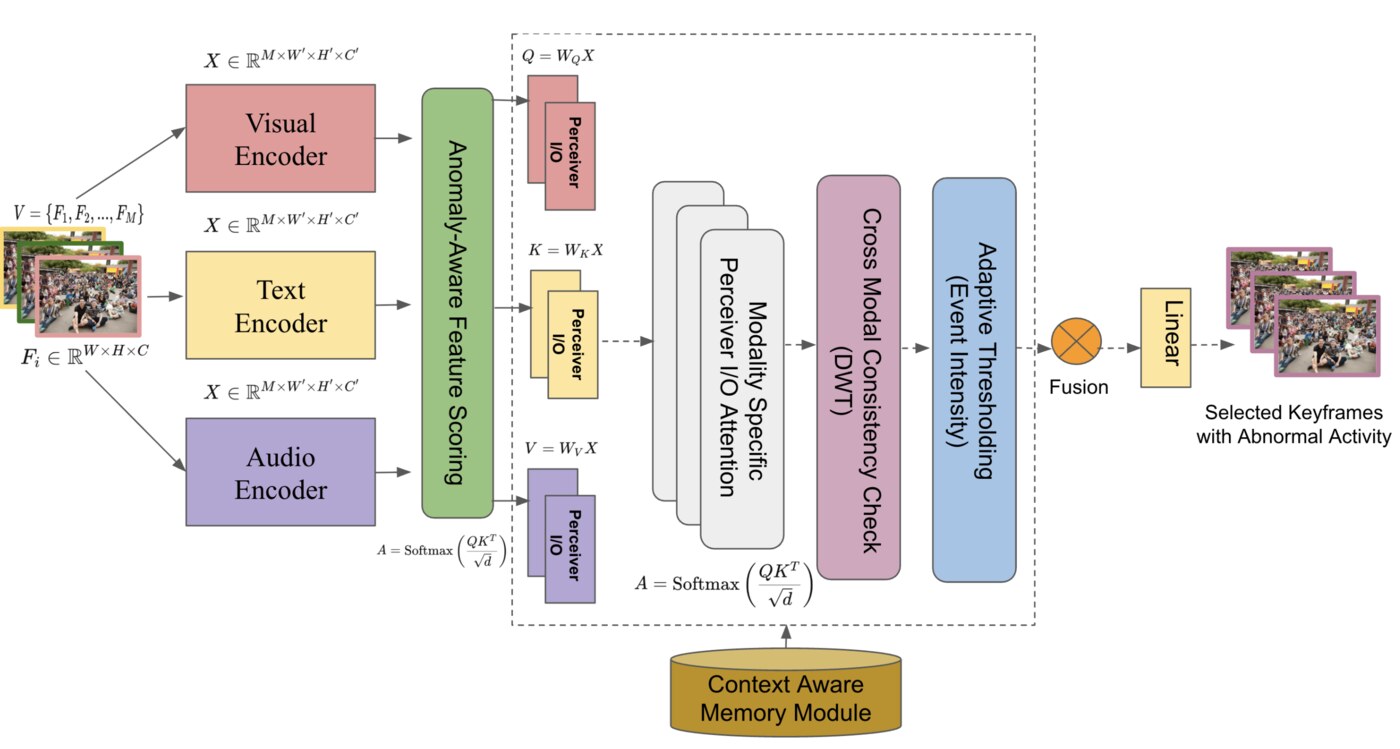
FewShot-SPT is a transformer-based framework for few-shot anomaly detection in surveillance. It introduces Event-Guided Keyframe Extraction, Adaptive Modality Gating for multimodal fusion, and adaptive prototypical learning for generalization to unseen anomalies, reaching 91.6% AUC on UCF-Crime and 84.2% accuracy on XD-Violence.
Under submission to a CORE A* venue · arXiv preprint, 2026
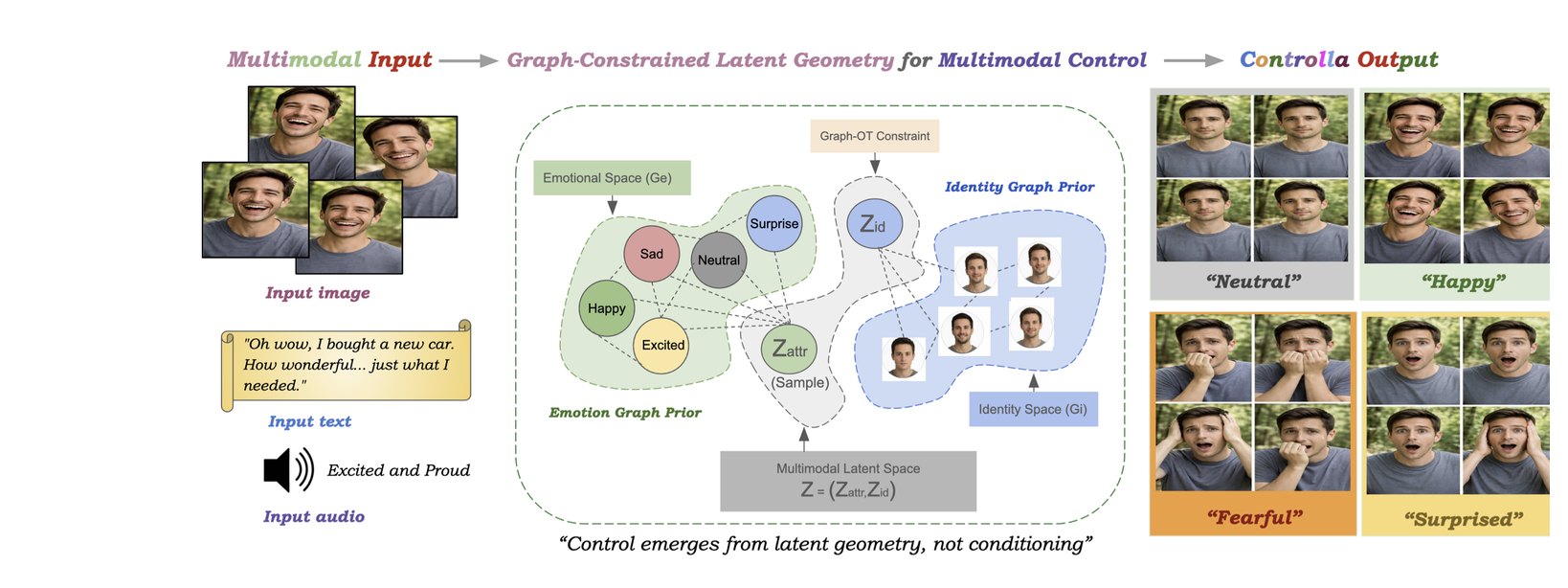
Controllable multimodal generation is usually posed as inference-time conditioning, which leaves unstructured how semantic attributes evolve and invites identity drift. Controlla instead treats controllability as a property of latent geometry: it learns identity and attribute factors from multimodal inputs and aligns them with graph priors through graph-constrained optimal transport, so attributes follow graph-consistent trajectories while reference identity is preserved. The paper also contributes AffectHuman-43K, a leakage-aware multimodal benchmark.
Under submission to a CORE A* venue · arXiv preprint, 2026
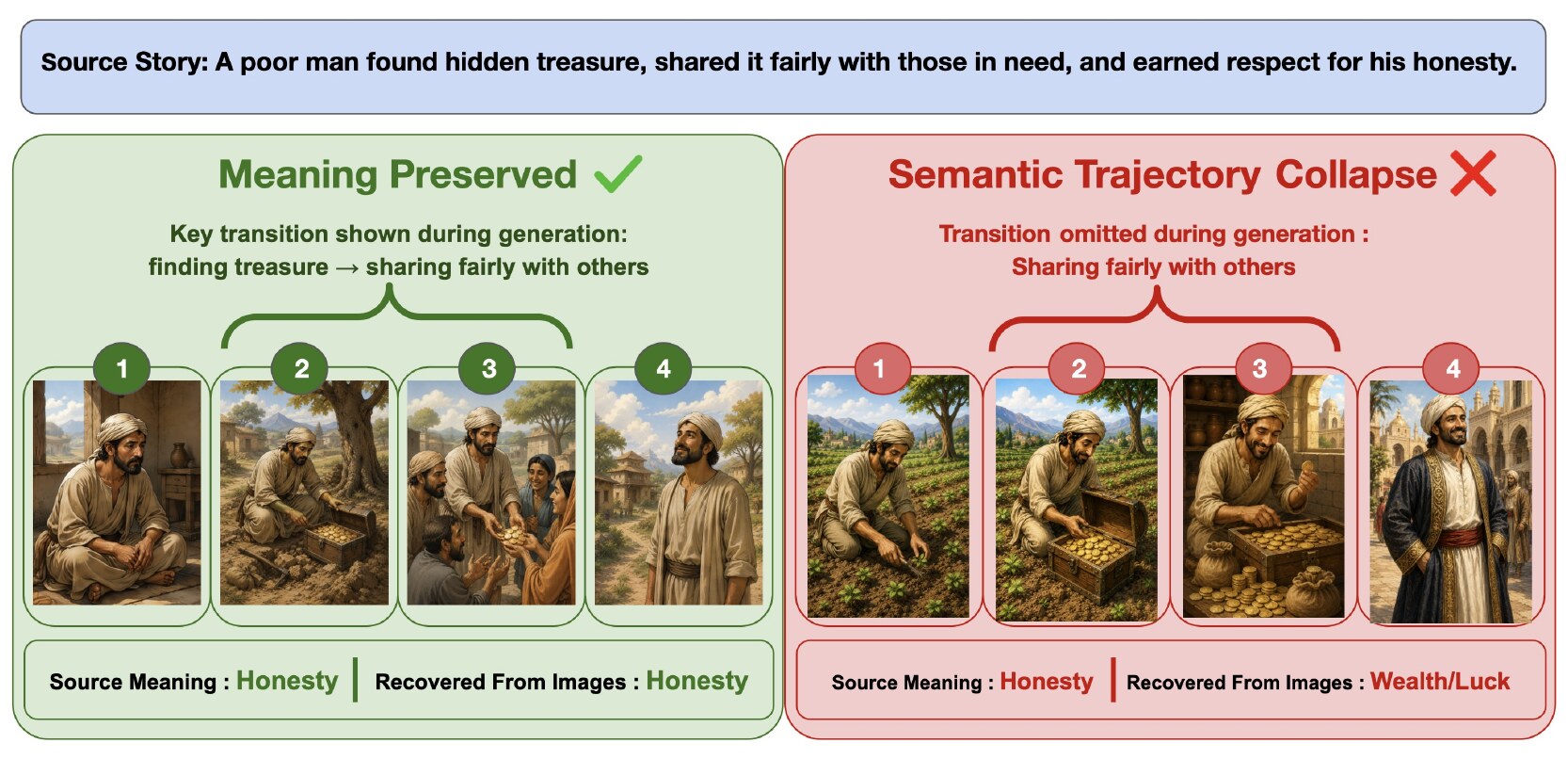
Recent story generators produce visually coherent image sequences, but coherence does not guarantee that the transition meaning of the source story survives. KathaTrace is a generator-agnostic protocol for diagnosing semantic trajectory collapse, evaluating each transition under text-only, image-only and text-plus-image evidence. It contributes KathaBench-25K and defines the Semantic Trajectory Gap, the transition meaning lost during visualisation.
MIUA 2026 — Medical Image Understanding and Analysis, University College Dublin, 2026
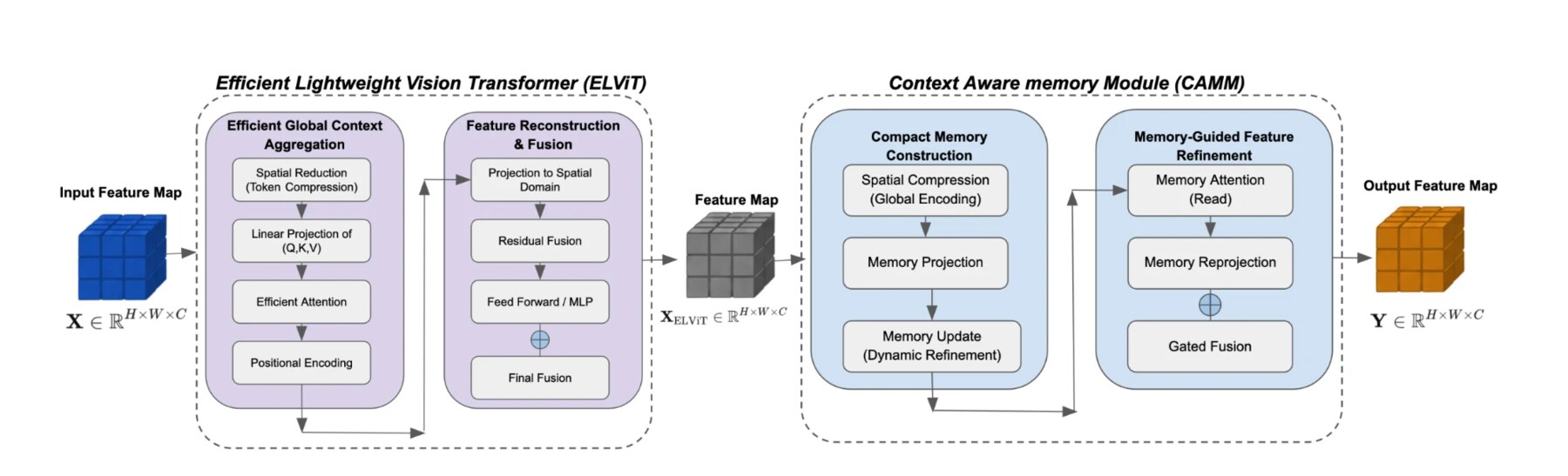
CAMMEL-ViT is a dimension-agnostic CNN–Transformer architecture for 2D and 3D medical image segmentation. It pairs multi-scale convolutional encoding with an Efficient Lightweight Vision Transformer (EL-ViT) for reduced-resolution global context and a Context-Aware Memory Module (CAMM) that injects a compact global memory prior for anatomically coherent predictions, improving Dice and HD95 on BraTS, ACDC, and BTCV at favorable computational cost.
Soft Computing (Springer Nature), 2026
Humor in videos is hard to detect because cues are spread across text, visuals, and audio that are misaligned in time, imbalanced, and noisy. This framework combines Domain-Specific Representation Learning, which separates modality-invariant and modality-specific features with a Bi-LSTM, and a Deep Hybrid Fusion network that merges them through cross-modal attention with suppression, reaching up to 95.8% accuracy on IEMOCAP, CMU-MOSI, and CMU-MOSEI.
Undergraduate course, Ramaiah Institute of Technology, Department of Computer Science and Engineering
Undergraduate course, Ramaiah Institute of Technology, Department of Computer Science and Engineering
Undergraduate course, Ramaiah Institute of Technology, Department of Computer Science and Engineering
Undergraduate course, Ramaiah Institute of Technology, Department of Computer Science and Engineering